
BPA-free water bottles are bottles that don't contain bisphenol A, a chemical frequently found in certain plastics.
As awareness around chemical safety grows, more people are choosing BPA-free water bottles as a safer, more responsible way to stay hydrated.Research continues to raise concerns about BPA's potential health effects when it leaches into food or drinks.
In this guide, we'll unpack why BPA-free water bottles became a go-to for health-conscious consumers and how to confidently choose bottles that protect your people while reflecting your values (Spoiler: Stainless steel water bottles from WATR that fund clean water projects are an excellent choice). From material safety to smart sourcing, here's what to know before you take your next sip.
1. What Is BPA and Why Is It Used?
BPA has been used to manufacture plastics and resins since the 1950s. You'll often find it in things like water bottles, food storage containers, can linings, and even receipts.
Why Is BPA Used in Plastics?
Manufacturers prize BPA for one big reason: it helps make plastics strong, shatter-resistant, and clear. For decades, it's been a go-to ingredient in polycarbonate plastics and epoxy resins because it's affordable and easy to work with.
The Problem
BPA doesn't always stay put. Under heat or over time, it can leach into the food or beverages stored inside the plastic. And that's where the safety concerns begin.
2. Why BPA Is a Health Concern
Studies suggest that when BPA leaches from plastic into the food or beverages we consume, it can disrupt the body’s endocrine system, which controls hormones. Because of this, researchers link BPA to potential issues involving fertility, metabolism, brain development, and even heart health.
And it doesn’t take extreme heat or damage to cause that leaching. Everyday actions, like leaving a plastic bottle in a hot car or running it through the dishwasher, can increase BPA exposure over time.
That’s why BPA-free water bottles have become more than a marketing trend. For individuals and companies alike, they represent a choice that supports wellness and long-term safety, without compromising convenience or design.

3. Plastic Water Bottles and Safety: What to Watch Out For
Not all plastic bottles are created equal, and not all of them are safe.
If you're still using older plastic drinkware or cheap single-use bottles, there's a chance BPA could be hiding inside. While many manufacturers now advertise BPA-free water bottles, it's essential to look closely at the label (and the fine print). Some plastics still contain similar chemical compounds that raise the same concerns, especially under heat or prolonged use.
BPA-Free vs. PFAS-Free
You may also see growing discussions around BPA-free vs. PFAS-free. Both are categories of chemicals linked to long-term health risks. While PFAS are commonly found in nonstick coatings and textiles, BPA is most associated with food and drink packaging. The takeaway? Knowing what's in your bottle (and what isn't) gives you control over what's going into your body.
Choosing well-made BPA-free water bottles, especially those made of stainless steel, can offer lasting peace of mind and a safer sip every time.
Misleading Labels and Greenwashing
Just because a bottle says "BPA-free" doesn't mean it's the safest option on the shelf.
Some products swap out BPA for similar compounds, like BPS or BPF, that haven't been studied as thoroughly but may carry similar risks. Others use vague or misleading labels that give the impression of safety without real backing. That's called greenwashing: branding that looks eco-friendly or health-conscious but falls short on substance.
If you're shopping for BPA-free water bottles, look beyond the sticker to see what the company's really offering.
4. What Are BPA-Free Water Bottles Really About?
At their core, BPA-free water bottles are about trust. You're choosing hydration that supports your health and reflects a more conscious way of doing business. BPA-free bottles offer a cleaner, more transparent alternative, without sacrificing durability or design.
And when they come from a brand like WATR? Every bottle does good in more ways than one.

5. Health and Lifestyle Benefits of Going BPA-Free
Switching to BPA-free water bottles is a smart choice for your body and your day-to-day.
For starters, BPA-free drinkware helps minimize your exposure to hormone-disrupting compounds, especially during hot fills or long-term use. But it's also about peace of mind. When you grab your bottle between meetings or errands, you shouldn't have to think twice about what's inside.
Plus, the best BPA-free water bottles don't cut corners. They're reusable and designed for life on the go. They support hydration habits, reduce single-use plastic, and look great doing it, especially when you add custom branding that reflects your values.
Going BPA-free is a small shift. But it's one that pays off, at work, at home, and everywhere in between.
What Is BPA-Free?
BPA-free can be hard to identify. Start by checking the packaging for a BPA-free label, but don't stop there. Look for trusted materials that are naturally BPA-free like stainless steel or glass, and avoid older plastics marked with recycling codes 3 or 7, which may still contain BPA or similar chemicals.
The best BPA-free water bottles come from brands that value transparency. They make it easy to understand what their products are made of and why it matters. Bonus points if that brand gives back while they hydrate.
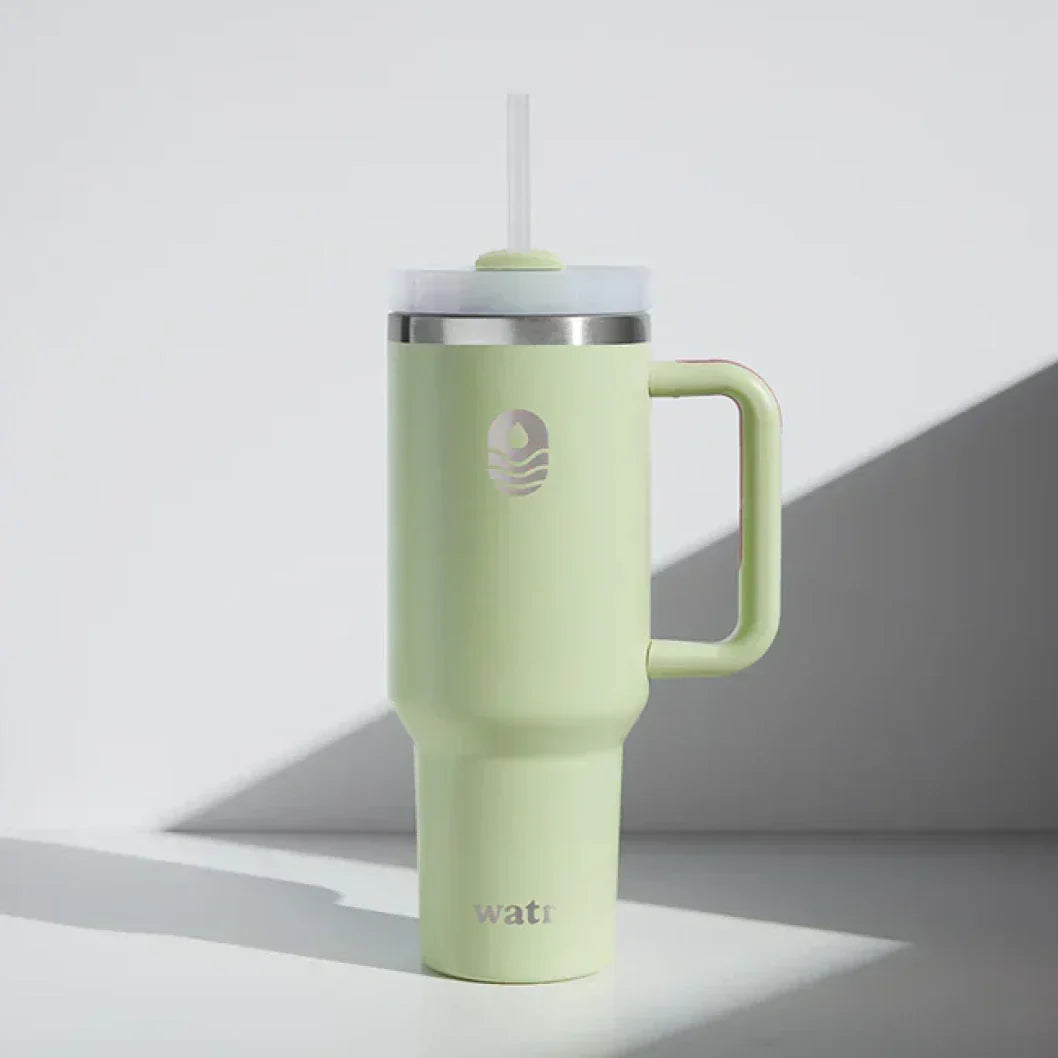
At WATR, all our bottles contain premium 18/8 stainless steel, which is BPA-free and durable. Whether you're looking for safe hydration for your team or standout swag for your next event, our bottles hit the mark.
Why Choose BPA-Free From We Are The Ripple
When you choose BPA-free water bottles from We Are The Ripple, you invest
in something that matters.
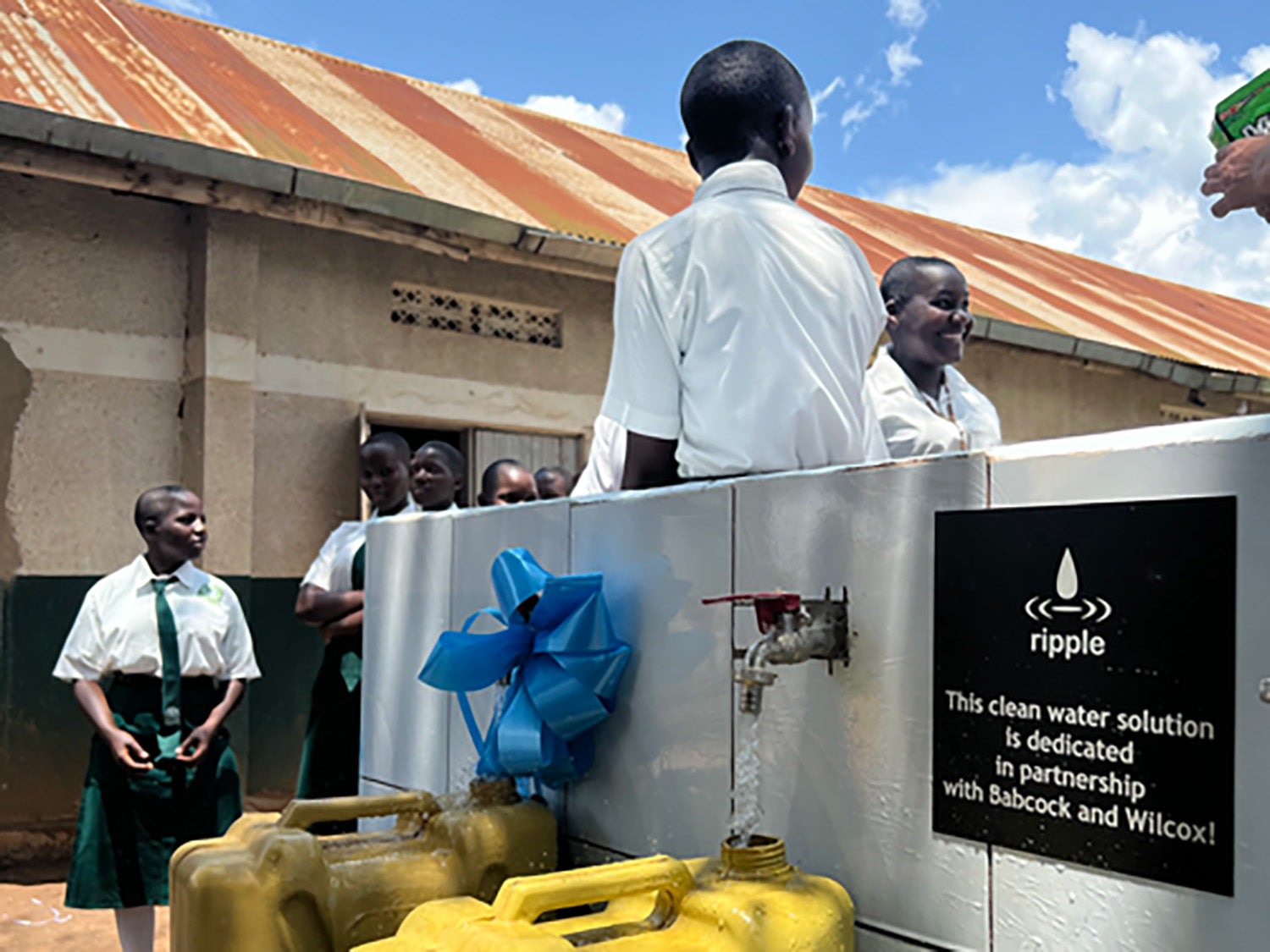
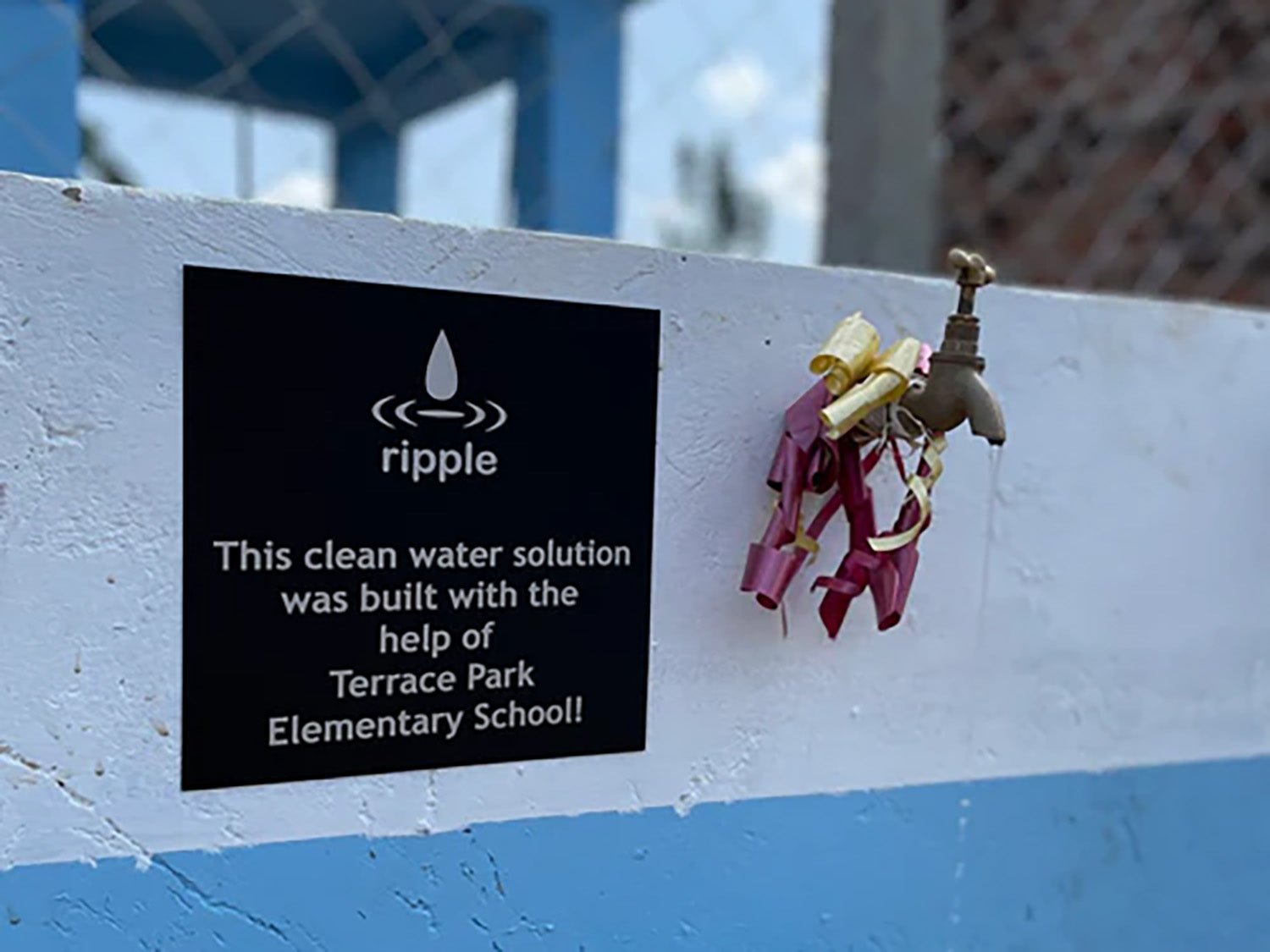
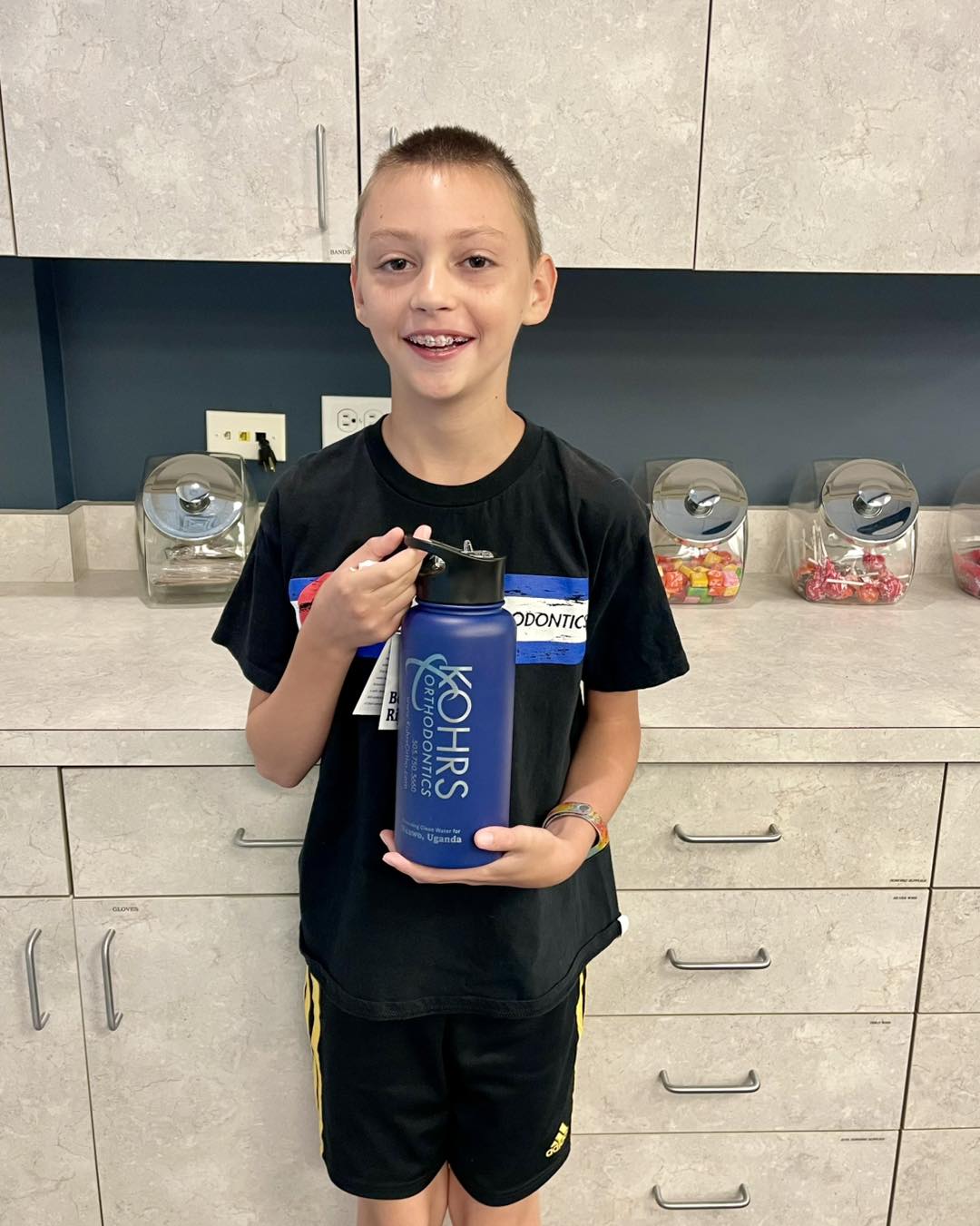
Our bottles are crafted from premium stainless steel, free from BPA, and built for everyday use. Plus, bulk orders are a snap with WATR. But what really sets us apart is purpose: every purchase helps fund clean water projects in East African communities through our nonprofit partner, Drink Local Drink Tap.
Stay Safer, Sip Smarter
In a world full of choices, BPA-free water bottles offer one that's easy to feel good about. They're safer and support the health of your people, whether that's your family, your coworkers, or your clients.
At WATR, we take it a step further. Every bottle you purchase helps fund clean water access for communities in need, turning everyday hydration into something meaningful. Order now, and make every sip count.